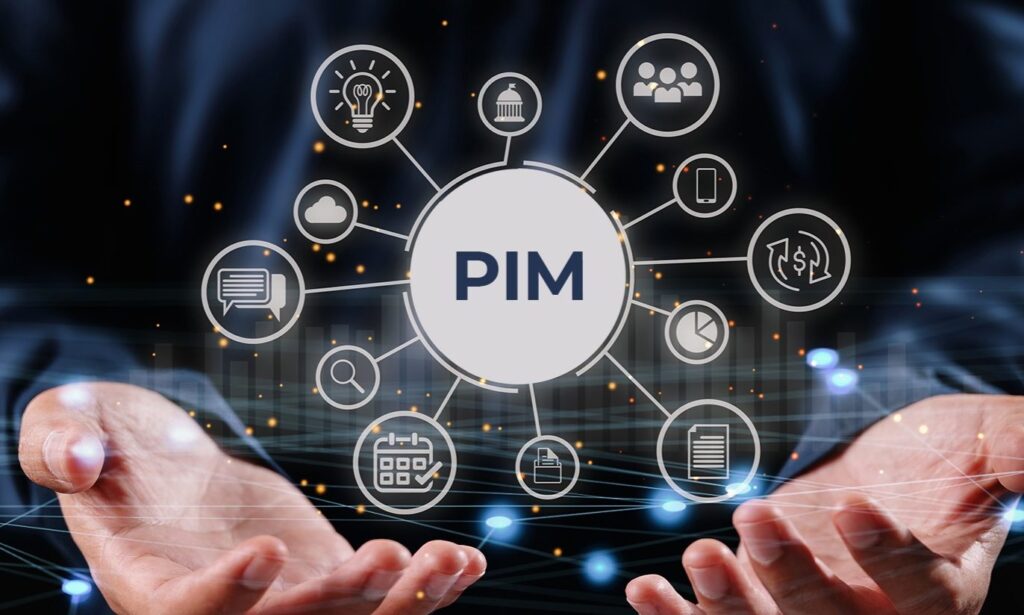
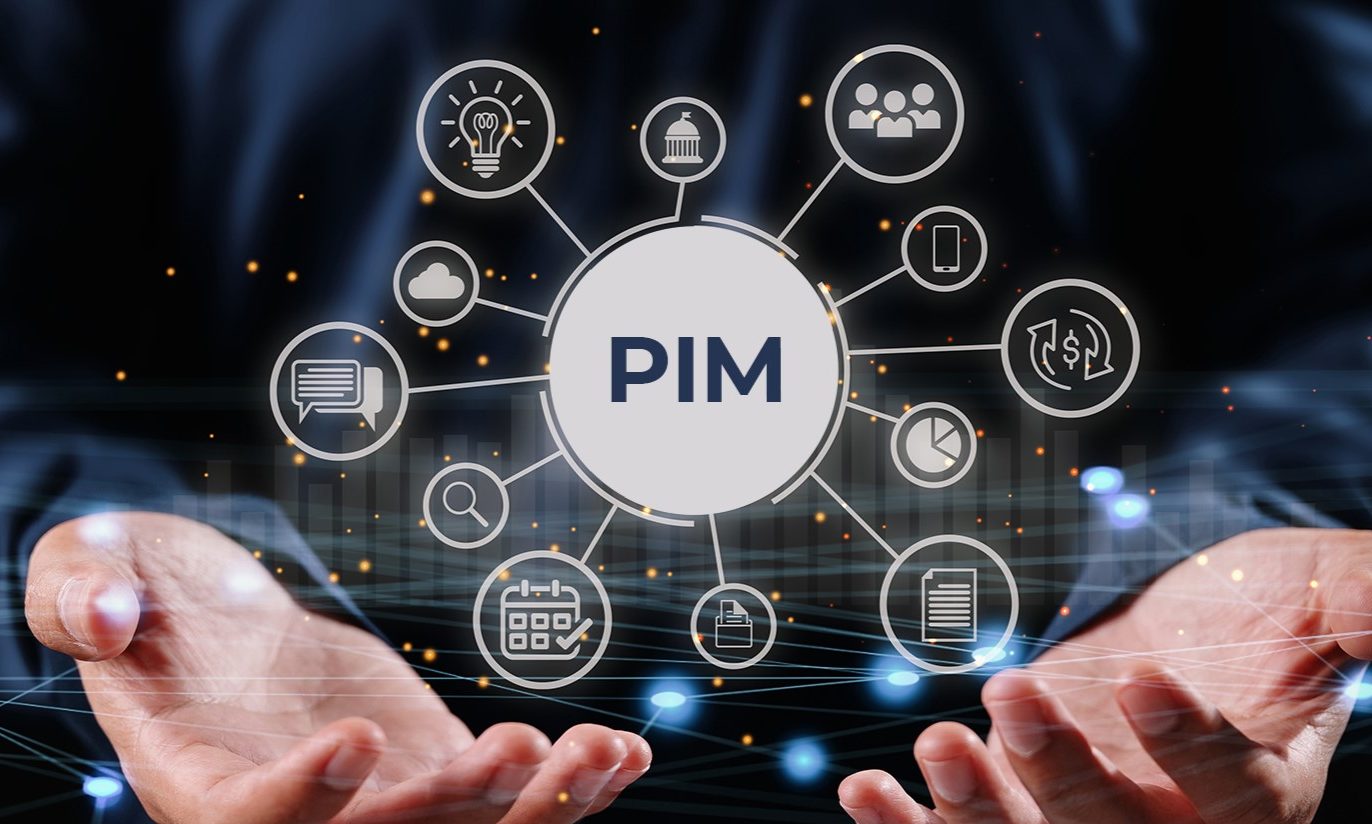
PIM is a product that is master-data driven by a process-driven software that allows users to collaborate on product information. It acts as a one-stop central platform that can collect, manage, regulate, and enhance information about products as well as content, and disperse it to sales, marketing, as well as eCommerce platforms.
Why do I require Product Information Management (PIM)?
No matter if you’re selling B2C or B2B, delivering captivating customer experiences is an essential element for your business. Customers expect high-quality, relevant, and reliable information about your products across all channels and digital touchpoints so that they can make a well-informed purchase decision.
In reality, most information about products is insufficiently scattered, inconsistent, and fragmented across various applications, siloed business units, systems, and channels. Teams working on digital marketing or merchandising, or e-commerce are unable to get the complete picture of details about the product. They spend a lot of time doing manual management of product information or transferring emails regarding the content of their products, internally and with other groups such as companies or suppliers.
Businesses that aren’t able to collaborate and manage their product information miss opportunities, lose revenue, and market share. More crucially, they fail to create an engaging user experience, which is essential to creating brand loyalty.
PIM assists in standardizing the increasingly complicated requirements of product content. It allows you to quickly distribute trusted, enhanced, ed aof high-quality product information to marketing and sales channels. With the correct PIM approach and a reliable, easy-to-access source of product information that you can accelerate the process and reduce time to market, quickly detect and analyze the quality of your product data, make the most of new markets, and provide a pleasant experience for your customers.
In the area of product information management, software companies and analysts are more likely to use terms like “Product Experience Management (PxM)”. PxM is a central management system for suppliers, customers, as well as other data. It employs machine learning as well as other AI methods on the data to connect interactions and transaction data and provide relevant, relevant, and interactive content to the right people at the appropriate time and in the right location. Ventana Report Value Index for Product Experience Management Ventana Report Value Index of Product Experience Management is a way to evaluate PIM providers in various PIM/PxM areas that relate to customer and product experience.
What is a PIM strategy set up an organization for Success?
The worldwide outbreak of the COVID-19 pandemic significantly increased the current shift in customers’ buying habits to online marketplaces and more efficient home delivery choices. The trend has been accelerating since then, as consumers are shifting to shopping online at a faster rate than they did before. Brands, manufacturers, retailers, and distributors who wait to catch up could be left out.
The transition to e-commerce will increase the need for PIM services because businesses require a PIM strategy that can enable the use of digital commerce. For more information on strategies for digital commerce, read this article by Informatica World on how Super Retail Group is implementing successful projects in digital commerce.
A PIM solution can help organizations to efficiently feed digital channels with reliable,e ricreliableant, and up-to-date information on products, and also create market resilience by balancing declines in sales at the store. For instance, major clothing company PVH is accelerating e-commerce and has increased sales on its e-commerce site by 50% in total, and also saw an increase of 87% in sales through its website in comparison to the same time last year.
How does PIM relate to MDM or PxM?
PIM is different from. MDM
Master data management (MDM) is the glue that connects the information and systems of an organization. Making sure that product data is properly managed with MDM (Product MDM) provides an all-encompassing source of truth that is based on reliable, accurate, and complete data about the product. The primary goal that is served by MDM for Product MDM is to establish connections between domains of data and to fuel internal business analytical and operational applications that rely on reliable data. The most common use of PIM is to create data about products to distribute it to sales channels such as e-commerce websites or printing and publishing systems.
PIM Vs. PxM
Customer experience management (PxM) is a method of action or knowledge that enhances or enhances an enjoyable and customized customer experience. It is accomplished by using the PIM solution that includes practical and analytical insights (e.g., that are derived via channels, or Informatica’s Customer 360 insight) as well as Machine learning (ML) as well as artificial intelligence (AI) methods. PxM is especially useful to assist in marketing better via digital contact points. A successful PxM cannot be achieved without a PIM solution that can feed the experience of the customer. So, it’s safe to state that PxM is a consequence or a subset of a larger PIM solution that typically includes the most extensive usage scenarios and functions.
Product Information Management Benefits
The most important advantages of PIM are:
- More rapid time to market
- More brand loyalty
- Ability to increase sales faster by leveraging opportunities to cross-sell or upsell
- Increased efficiency in operations by streamlining essential workflows and creating cross-functional collaboration to enrich data
- The quality of the product’s data is improved, and conformity with the industry standard is ensured.s
- A more engaging, omnichannel product experience.
Find out more about the business benefits of PIM on our blog, which includes perspectives from real PIM users.
Informatica’s Product Information Management (PIM) Solution
Master Data Management (MDM) Master Data Management (MDM) Product 360 is Informatica’s product information management (PIM) solution. It enables your business’s digital commerce and transformation through innovative and intelligent product experience management.
Based on a dependable 360-degree perspective of content, and using automated workflows, users of business customers can manage the information of their products much more effectively. The simple task- and role-based user interface makes working on product information more efficient and more flexible, as well as when working in conjunction with partners from the business.
Organizations such as BMW Group, Unilever, or Saint-Gobain choose MDM for Product 360 because Informatica is a trusted and reliable strategic partner that has proven long-term PIM client satisfaction and a clear commitment to the market, with the world’s largest PIM and MDM partner network, and the most innovative PIM product features that allow for enterprise scale.
Story of Customer Retention Success: Product Information Management in the midst of
Australian retail store Kmart can launch products quickly across all channels with an integrated PIM solution that includes Informatica MDM and Informatica MDM – Product 360, and Informatica Data Quality. Automated data tests and three levels of quality assurance ensure precise quality, high-quality content. Images are being automatically assigned to apparel SKUs, and there is no manual intervention needed. Kmart Australia has also moved to B2B sales opportunities, increasing revenues and helping the company expand by 60 percent in just two years. Check out the complete customer’s success story.
Through their PIM software, online retailer KLiNGEL is one of Europe’s top online retailers of fashion, and can post product information online without delay or error, increasing sales across all channels, including digital marketplaces such as Amazon, eBay, and OTTO. This is also improving the shopping experience for customers. With more comprehensive and precise descriptions of materials and styles, as well as more pictures of items, shoppers can discover the items they are looking for faster and feel more confident about shopping. Check out the complete story of a customer’s success.